What Can an Inspection Confirm After Bed Bug Bites?
Bites after sleeping can raise concern, but a skin mark alone cannot confirm bed bugs. A professional inspection looks for insect evidence in sleeping areas and checks whether the signs fit bed bug activity rather than another cause. The distinction matters: treating without evidence can waste time and put unnecessary products in a home.
New Hampshire’s seasonal conditions shape pest calls, though cold weather or a bite pattern by itself does not identify bed bugs. Near Bear Brook State Park, homeowners still need evidence indoors, not a guess based on location.
Crawford Notch State Park reminds us how varied the state’s homes and surroundings are; an inspection must account for the actual room and furnishings. Cold, snowy winters increase indoor rodent activity, but that is a separate concern from diagnosing bites. Start by noting when and where marks appear, then arrange an inspection if the concern continues.
What can a bed bug inspection confirm?
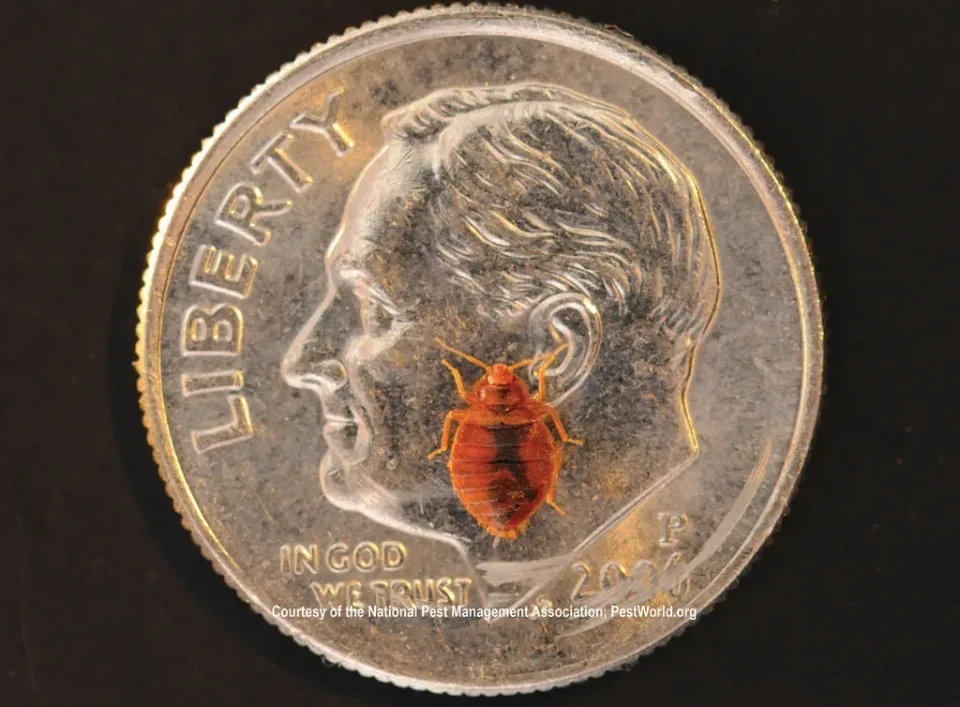
Bites noticed after sleep are a reason to look closer, not proof of bed bugs. Skin reactions differ, and other causes can resemble them. An inspector checks the room for physical signs and whether their location fits the sleeping area and reported activity. A useful finding is something observable, not simply a pattern on skin.
Bed Bug Inspection includes examining mattress seams and bed frames, along with nearby areas where insects may hide. We ask which rooms are affected and when bites were first noticed, then compare that account with what we find.
A missed bed-frame joint or a quick glance at only the mattress can leave important evidence unchecked. Our approach is to explain what supports the identification and what does not.
Which signs matter beyond the bites?
Look for evidence near the bed and keep the room as undisturbed as practical before the visit. An inspector may check seams, joints, and nearby furnishings rather than treating a bite pattern as a diagnosis. Damp basements favor silverfish and other moisture pests, so finding those insects in a lower level does not establish bed bug activity in a bedroom; identify each pest in its actual location.
Local conditions vary. Dartmouth College gives the Upper Valley a recognizable reference point, but a nearby address does not tell us what is inside a particular home.
Inland areas typically have colder winter conditions, which can affect how people use heated indoor spaces, but cold weather does not confirm bed bugs. Evidence in the affected room remains the deciding factor. Keep a short record of when bites appear and which beds have been used.
When should you call a professional?
If bites continue and you cannot identify a clear cause, arrange an inspection instead of applying a product based only on symptoms. That is the practical line between a small observation step and professional help: you can document the concern, but identification and treatment choices should follow evidence. Avoid moving bedding or furniture between rooms, since that can make it harder to understand where activity began.
In Keene, a familiar place such as Keene Central Square can orient residents, but the inspection itself must focus on the home, not the town. We have served New Hampshire for more than 11 years, and we explain findings plainly before recommending any next step.
For a closer look at the inspection process, read our Bed Bug Inspection guide. If the concern involves bites after sleeping, our Bed Bug Treatment service can follow an evidence-based inspection when treatment is indicated.
What should you expect from the findings?
A useful report distinguishes confirmed signs from conditions that merely warrant watching. If no bed bug evidence appears, ask what was checked and whether a follow-up is sensible based on continuing observations.
If evidence is found, the technician can explain where it was seen and what treatment plan fits those findings. A targeted plan is easier to prepare for than a broad, unexplained application.
The Currier Museum of Art is a well-known Manchester landmark; for a home near it, as anywhere else, the inspection should still be specific to the rooms and furnishings involved. Heavy rainfall may flood basements and crawlspaces, but moisture-related pests found there should not be confused with bed bugs in sleeping areas.
In our field work, the repeated miss is assuming a bite pattern proves the pest. It does not. Clear observations lead to better decisions.
Which Inspection Choice Fits Bed Bug Bites?
If bites appear after sleep, choose the next step according to whether you need identification, control, or a check after treatment. The options are not interchangeable.
| Option | Best for | Key detail |
|---|---|---|
| Bed bug inspection | Checking whether signs support bed bug activity | Mattress seams and bed frames are examined |
| Heat treatment | Whole-room control when available | A whole-room method, unlike localized application |
|---|---|---|
| Targeted application | Localized treatment when available | Applied to specific areas based on findings |
Franconia Notch State Park is far from a substitute for examining a home; the relevant choice depends on room evidence. Interstate 93 helps orient travel across the state, but it does not change the inspection scope.
Autumn temperatures drive mice toward warm buildings, a separate seasonal issue that should not be mistaken for bed bug evidence. Near Mount Monadnock, as elsewhere, identify the pest before choosing control.
How to Prepare for a Bed Bug Inspection
A clear account helps the technician focus on the right sleeping areas. Note where bites were noticed and which rooms are involved; avoid shifting furnishings from room to room before the visit. Small steps help.
| Step | What to do |
|---|---|
| 1. Record the concern | Write down affected rooms and when you noticed bites. |
| 2. Make access | Leave the bed and nearby areas accessible for inspection. |
| 3. Secure pets | Keep pets away from the work area during the visit. |
| 4. Discuss findings | Ask what evidence was found and what it supports. |
| 5. Follow directions | If treatment is recommended, follow the product-label re-entry instructions. |
Freeze-thaw cycles open gaps around foundations, but that does not diagnose bed bugs; tell the technician about separate building concerns rather than mixing them with bite evidence. For homes near Concord Downtown, access to the affected rooms helps keep the inspection focused. Lake Winnipesaukee is a useful regional reference, while a nor’easter’s coastal wind, rain, and snow may affect travel planning; confirm the visit details before preparing.
Get Clear Answers About Bed Bug Bites
Bites after sleeping deserve a careful look, but they do not identify the pest on their own. A professional checks the sleeping area for evidence, explains what the findings mean, and recommends treatment only when the evidence supports it. If you notice continued bites, record the affected rooms and arrange an inspection rather than guessing or applying products without an identification.
Squam Lake is a familiar landmark for residents, but a home’s evidence not its location guides the next step. Leaf litter provides tick and insect harborage outdoors, a separate concern from bed bugs indoors. For a focused assessment, contact NewHampshire Pest Solutions about a Bed Bug Inspection.