When Does Carpenter Ant Frass Under Window Trim Need a Pro?
Frass beneath window trim is a reason to inspect the wood, especially when fresh debris keeps returning. Take a photo, note where it falls, and avoid spraying into the trim before the source is identified. Carpenter ants push wood shavings and other debris out of nesting areas, but old debris alone does not prove a colony is active.
Rain-soaked soil can drive ants indoors, so check for dampness around the window as well as ant activity. Near Bear Brook State Park, wooded surroundings can make exterior inspection especially useful; the same practical check applies around homes near New Hampshire Motor Speedway.
We inspect the trim and nearby conditions, then explain whether treatment is warranted. Start with evidence, not guesswork.
What does frass beneath window trim tell you?
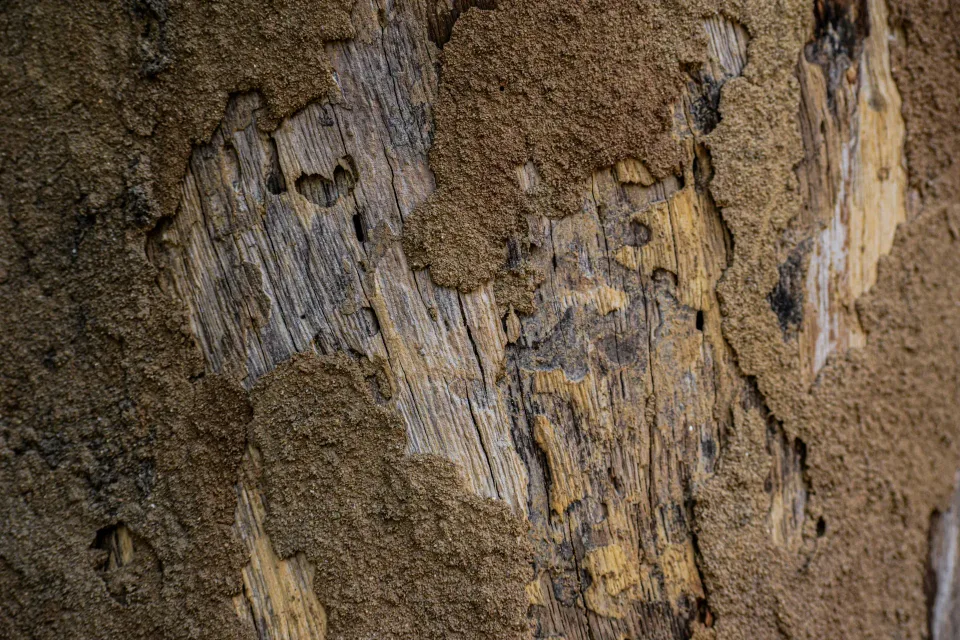
Carpenter ant frass beneath window trim is a clue, not a diagnosis. It can contain wood fragments and insect parts, and fresh piles in the same spot are more concerning than debris that has sat undisturbed. Look closely without pulling trim apart: note the amount, color, and whether ants are visible nearby. Keep a dated photo so an inspector can compare what changes.
Wind-driven rain can expose gaps around siding and window frames, and water entering there may leave wood damp. That matters because a carpenter ant problem can involve concealed, moisture-affected wood rather than the visible pile alone.
In areas around Canterbury Shaker Village, homes with historic details may have trim that merits careful inspection before anyone drills or pries. We look for a likely route and evidence of activity before recommending a treatment.
See our Carpenter Ant Treatment page for more about inspection-led work.
When should you call a pro instead of waiting?
Call for an inspection if fresh frass returns after cleanup, ants are emerging from the trim, or the wood feels soft or appears damaged. A single old pile with no other signs can be photographed and monitored briefly, but do not seal a suspected exit before its source is understood. That can hide evidence without resolving the underlying issue.
Leaf litter provides shelter for ticks and other insects, so clear it away from the foundation as part of routine yard care; avoid disturbing a suspected nest area. Near Hampton Beach State Park, seasonal coastal conditions can also make exterior checks useful after storms.
Heavy rainfall may flood basements and crawlspaces, and water problems in those spaces deserve attention alongside window-trim evidence. We check accessible areas around the reported site and explain what we can confirm.
If you have seen kitchen-counter ant trails too, our guide to ant trails crossing kitchen counters in Manchester covers a related household clue.
Why does the inspection extend beyond the window?
A pile under one corner may mark where ants are ejecting debris, not the full extent of activity. We check the trim, nearby framing where accessible, and exterior conditions that could help explain the evidence. The missed step we see is treating the visible pile as the entire problem. A surface spray may affect ants in view but leave an inaccessible source untouched.
Homes along Interstate 93 span different settings and building conditions, so an inspection needs to follow the evidence at that specific property. Manchester Millyard is a useful local reference for how older building materials can call for careful, targeted assessment rather than assumptions based on a single symptom. We document findings and match any recommendation to what is present; we do not treat simply because debris looks suspicious.
What can you safely do before the inspection?
Do not scrape, caulk, or spray the suspected opening before taking a clear photo. You can vacuum loose debris after documenting it, then check whether fresh material appears; avoid opening a wall or using a household pesticide in a concealed void. If the trim is wet, address the water source with an appropriate repair professional as well as requesting pest assessment.
DIY monitoring is reasonable when the debris is old, isolated, and does not return. Call a professional when it reappears, ants are present, or wood damage is suspected. We have served New Hampshire for more than 11 years, and our crew explains what the evidence supports before proposing work. For background on our approach, visit NewHampshire Pest Solutions.
Which Carpenter Ant Frass Inspection Option Fits?
Choose based on whether you need identification, control, or ongoing checks; frass alone does not tell you which treatment is appropriate.
| Option | Best for | Key detail |
|---|---|---|
| Visual monitoring | One old, isolated pile | Photograph the area and watch for fresh debris. |
| Pest inspection | Returning frass or uncertain signs | Inspection identifies activity; treatment applies control measures. |
| Carpenter ant treatment | Confirmed carpenter ant activity | Colony location and access help determine the approach. |
| Perimeter treatment | Relevant exterior activity | Exterior applications differ from targeted crack treatment indoors. |
Nor’easters bring coastal wind, rain, and snow, so check window trim after weather exposes a possible opening. Freeze-thaw cycles can open foundation gaps, another reason to note changes around the building rather than focus only on indoor debris.
In Seacoast areas, milder winters and coastal humidity can keep moisture checks relevant. A dated photo and inspection are sensible first steps.
How to Prepare for a Carpenter Ant Inspection
A clear view of the trim helps us distinguish old debris from a changing sign. Before booking, write down where and when you noticed it; access matters.
Inland areas typically have colder winter conditions, so keep the appointment focused on indoor evidence if exterior checks are difficult. Damp basements can favor silverfish and other moisture pests, so mention basement dampness if it is present, even though it does not confirm carpenter ants.
-
Record the location: Photograph frass beneath the window trim before cleaning or moving it.
-
Note changes: Write down when debris appeared and whether you have seen ants nearby.
-
Clear the work area: Move objects away from the affected window so the trim is accessible.
-
Mention moisture: Tell the technician about leaks, condensation, or damp areas near the window.
-
Provide access: Identify any accessible basement or utility areas that may help explain the conditions.
-
Review the findings: Ask what evidence supports the identification and whether treatment is recommended.
Around Dartmouth College, Keene Central Square, and Odiorne Point State Park, the useful preparation is the same: provide clear access and report observations rather than guessing at the cause.
Ready to Get Help With Window-Trim Frass?
Frass under window trim deserves attention when it returns, appears with live ants, or accompanies damaged wood. Carpenter ant colonies can contain thousands of workers, so a small visible pile may not show the full picture.
In summer, heat can speed insect development, making timely identification useful when signs are active. The Kancamagus Highway, Manchester-Boston Regional Airport, and the Merrimack River are familiar New Hampshire reference points; wherever your home is, we begin with the specific evidence at your property.
Send NewHampshire Pest Solutions a description of the debris and the affected window, or request an inspection through our Carpenter Ant Treatment page. We’ll explain practical next steps.