What Does RSA 430 Mean for Pesticide Use?
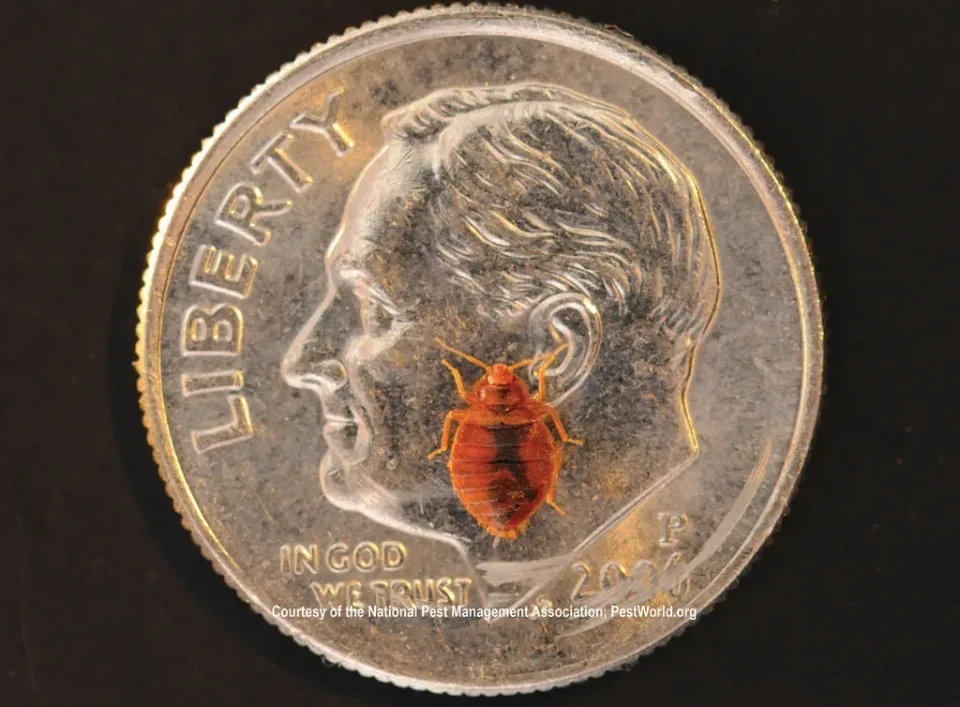
Mouse droppings inside a kitchen cabinet call for a careful plan, not an automatic spray; New Hampshire RSA 430 governs pesticide licensing and use, including who may perform regulated work. A bed bug appointment should also start with identifying affected rooms and choosing a treatment suited to the evidence.
The New Hampshire Motor Speedway is a familiar landmark, but homes across the state face pest concerns shaped by their own buildings and seasons. Cold, snowy winters increase indoor rodent activity, so a mouse complaint may need inspection and prevention as well as control.
Our crew explains what we find and checks applicable licensing before work. Small details matter. Below, we explain the law’s practical role and what to ask before treatment.
What does RSA 430 require for pesticide work?
New Hampshire RSA 430 sets the state framework for pesticide licensing and use. New Hampshire Administrative Rules Pes 1000 provide related pesticide-control requirements, while the New Hampshire Department of Agriculture, Markets & Food oversees the state program. For a homeowner, the practical point is simple: ask whether the person performing regulated pesticide work holds the applicable New Hampshire pesticide applicator licensing.
That is not a promise that every pest problem needs chemical treatment. Our field threshold is evidence: identify the pest, locate activity, and decide whether a product or another control step is justified.
Around the Connecticut River, the range of property conditions makes a site-specific inspection more useful than assuming one treatment fits every home. We record findings and explain the proposed work before applying anything.
How do federal label rules affect treatment?
FIFRA requires pesticide use according to product labeling. The EPA pesticide label gives directions for application, storage, and disposal; its instructions are legally enforceable, not optional suggestions. We check the labeled site, target pest, application method, and precautions before treatment, then explain relevant restrictions to the customer.
The rules affect more than the moment of application. A product’s active ingredient and permitted use matter, and the label’s re-entry directions govern when occupants may return to a treated area.
Near the Currier Museum of Art, older buildings and newer spaces alike still require the same careful label check. We do not substitute a guess for the printed directions. A customer should ask what product is planned and where the label permits it to be used.
When should you call a licensed pro instead of DIY?
A homeowner can often begin with nonchemical steps: store food securely, remove accessible clutter, and note where pests appear. But pause before applying a pesticide, especially if the label does not clearly cover the location or target pest. If you are unsure how to interpret directions, call a qualified applicator rather than increasing the dose or spraying a wider area.
We see the skipped step: treating a visible insect without checking where it is entering or hiding. For rodent signs, that can leave the access route unaddressed; for insects, a misplaced application may miss the harborage.
A report from our visit can distinguish observed activity from recommended work. Along the Kancamagus Highway, seasonal conditions differ from those in town, but the decision remains the same: base treatment on evidence and follow the label.
What do chemical communication rules mean at home?
The OSHA Hazard Communication Standard requires chemical labels and Safety Data Sheets (SDS) to communicate hazards. In practical terms, ask for the product identity and safety information, and follow the instructions provided for occupants, pets, and treated rooms. We explain precautions in plain language rather than expecting a customer to decode technical shorthand.
Unused pesticide and its container also need proper handling. RCRA sets requirements for hazardous pesticide waste handling and disposal, so leftover material should not simply be poured down a drain or discarded without checking the applicable directions.
New Hampshire’s licensing and use framework works alongside these federal requirements. Our process is to select a labeled use, communicate precautions, and handle materials according to their applicable instructions.
How do you judge a treatment plan?
Ask what pest evidence supports the recommendation, what areas will be treated, and which product-label restrictions apply. If a contractor cannot explain those points, do not rush into an application. A clear plan should describe the target, placement, precautions, and any follow-up needed to check whether activity continues.
We have served New Hampshire for more than 11 years, and our crew built its trade in Manchester, where older homes and stone foundations make inspections especially important. We hold New Hampshire pesticide applicator licensing for applicable work, carry general liability insurance, and belong to the National Pest Management Association. Our approach is to match the treatment to evidence and the building, then provide a straightforward explanation of the work.
Which Pesticide Treatment Option Fits the Job?
If a mouse is seen once, you may need a focused inspection; repeated activity can call for control plus entry-point work. The right choice depends on what the inspection confirms.
Cold, snowy winters increase indoor rodent activity, so consider seasonal conditions when discussing a plan. A home near Concord Downtown may have different access and building details from one closer to Crawford Notch State Park; neither location changes the need to follow product labeling.
| Option | Best for | Key detail |
|---|---|---|
| One-time pest treatment | Confirmed, limited activity | Targeted application under the product label |
| Recurring general pest control | Repeated or seasonal concerns | Planned visits and monitoring |
| Interior and exterior perimeter treatment | Activity at boundaries or entry areas | Exterior barrier versus targeted interior work |
| Rodent control and exclusion | Rodent evidence and access points | Exclusion blocks entry; trapping captures active rodents |
Before choosing, ask what the inspection found, which areas will be treated, and what label directions apply.
How to Prepare for an RSA 430-Compliant Visit
Start by describing the pest, where you saw it, and when activity occurs; that gives the applicator a useful starting point. Freeze-thaw cycles open gaps around foundations, so mention any new openings you have noticed rather than covering them before inspection. In a coastal home near Portsmouth Market Square, nor’easters bring wind, rain, and snow that can affect exterior conditions; report recent exposure or visible damage.
-
Confirm the concern: Identify affected rooms and share sightings or photographs before the appointment.
-
Clear access: Move items away from baseboards, sink cabinets, and other areas the technician needs to inspect.
-
Secure belongings: Put pets and food-contact items away as directed before service.
-
Check the plan: Ask which product will be used and review its label precautions.
-
Respect re-entry directions: Keep occupants outside treated areas until the product label allows them to return.
Choose a Clear, Label-Guided Pest Plan
RSA 430 is the state framework, but the practical safeguard is a treatment plan grounded in inspection, applicable licensing, and the product label. If pests are active around Canterbury Shaker Village or another New Hampshire property, share what you have seen and ask how the proposed work addresses it.
Leaf litter provides tick and insect harborage, so describe outdoor conditions as well as indoor sightings when requesting an assessment. No guesswork needed.
For a careful inspection and a plain explanation of the next step, contact NewHampshire Pest Solutions. If bed bug concerns are the reason for your call, see our Bed Bug Inspection service or ask our crew about arranging an evaluation.