What Should You Ask About Mouse Droppings in Cabinets?
Mouse droppings inside kitchen cabinets call for more than wiping shelves and setting a trap. Ask the provider to identify activity, locate entry points, and explain how exclusion will close them. A useful inspection should also distinguish active signs from old debris and note which rooms are affected.
Snow cover can hide exterior openings, so ask how the technician will check the foundation and siding when the ground is buried. One missed gap can undo trapping.
We also hear from callers who own an apartment building and have found bed bugs, or who simply want someone to come out and address them; those concerns need their own inspection and treatment plan, not a rodent quote. Our crew documents findings before recommending work. Ask what repairs are included, what remains your responsibility, and what follow-up would show the plan is working.
What should an exclusion inspection find?
Droppings in a cabinet are a clue, not a map of the mouse’s route. Ask the inspector to check behind the range and refrigerator, around plumbing penetrations, beneath the sink, and where utility lines enter. A good plan records the affected rooms, likely travel paths, and any openings that need repair; it should not stop at placing traps beside the evidence.
New Hampshire’s cold, snowy winters can push rodent activity indoors, so a seasonal inspection may reveal activity that began outside. If you are near the Connecticut River, ask whether the technician will inspect the particular foundation and utility openings at your property rather than assume every home has the same vulnerabilities. Our rodent exclusion service focuses on finding and closing access points as well as addressing active rodents.
Which questions clarify repairs and follow-up?
Ask what materials will close each opening, whether the repair is included in the proposal, and how the technician will confirm the gap is no longer usable. Ask, too, whether traps or bait stations are proposed and where they would be placed. For a family kitchen, you should know how the plan protects food storage and what you need to move before work begins.
A service report should connect the evidence to the recommendation: where droppings appeared, what access points were found, and what work was completed. Near the Kancamagus Highway, homes may have different seasonal access challenges than properties in denser neighborhoods, but the inspection should still explain its findings in plain language. We have seen plans fail when an obvious pipe opening gets sealed but a second route behind an appliance is left untouched.
When is DIY enough, and when should you call?
If you find a few droppings, you can clear cabinet contents, clean carefully, and look for fresh signs. Do not rely on a trap alone if droppings return, you hear scratching, or you cannot identify how mice are getting in. Repeated activity points to an entry or harborage problem that needs a broader inspection.
A home near Lebanon Green still needs a property-specific check; a familiar location does not tell you where a mouse entered. Avoid scattering loose control products through food-storage areas.
Instead, ask a professional to explain placement, exclusion work, and how the plan will be checked afterward. NewHampshire Pest Solutions has served New Hampshire for more than 11 years, and we match recommendations to the evidence we find.
What should the written plan make clear?
Before approving work, ask for the scope in writing: inspected areas, proposed repairs, control methods, and follow-up expectations. If the technician cannot show you the suspected route or explain why a repair is appropriate, pause and request a clearer explanation. A quote should reflect the actual access and repair work, not just the number of traps.
Properties around Manchester-Boston Regional Airport can include varied building layouts, so confirm that attic, basement, and utility spaces relevant to your home are accessible for inspection. Our crew explains what we found and what remains unresolved.
Cabinet Droppings Call for the Right Control Option
Choose based on the evidence: active mice call for control, while a known access point calls for a repair plan. Ask what each option addresses and what it leaves unresolved.
| Option | Best for | Key detail |
|---|---|---|
| Trapping | Capturing active mice | Traps address activity; they do not close entry routes |
| Bait stations | Ongoing rodent control | Ask about placement and monitoring |
| Inspection | Unclear activity or route | Identifies signs and affected areas before treatment |
U.S. Route 3 is a useful regional reference, but the inspection must focus on your building rather than travel corridors.
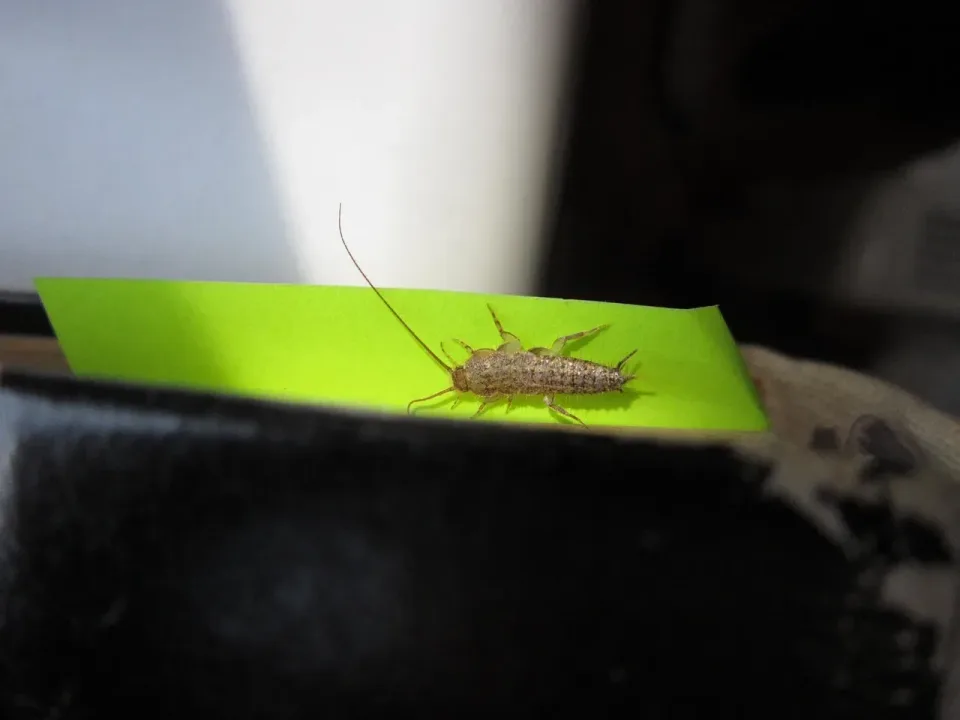
Near Bear Brook State Park, tell the technician about damp basement areas too; moisture can favor silverfish and other pests alongside a rodent concern. Inland homes can face colder winter conditions, making it sensible to ask whether exterior access points were checked as part of the proposed work.
Cabinet Preparation Keeps the Inspection Focused
-
Record the evidence: Note which cabinets contain droppings and whether you have heard scratching or seen activity elsewhere.
-
Clear inspection access: Remove stored items from sink cabinets and leave nearby baseboards reachable so the technician can inspect edges and plumbing openings.
-
Protect food and pets: Put food-contact items away and secure pets before the visit; tell the crew about any access limits.
-
Open relevant spaces: Arrange access to the basement, attic, or utility areas that may help trace the route.
-
Ask for the written plan: Confirm which openings will be repaired, what control measures are proposed, and what follow-up is recommended.
-
Follow treatment directions: If products are used, follow the product label’s re-entry instructions before returning to treated areas.
If you are near Keene Central Square, describe the actual building and cabinet locations rather than relying on a neighborhood assumption. Homeowners by Mount Monadnock can use the same preparation: accessible inspection areas help the technician connect droppings to a route. For properties near Squam Lake, explain whether the building is used seasonally so the inspection can account for periods when it is unoccupied.
Get a Clear Plan for Mouse Droppings in Cabinets
Recurring droppings mean it is time to identify both the active route and the openings that need attention. Ask for the findings, repair scope, control method, and follow-up plan in writing. We make the evidence clear before recommending work.
Around Manchester Millyard, older building details can make a careful inspection especially useful; elsewhere, the same rule applies: verify the route instead of guessing. New Hampshire’s warm, humid summers also increase mosquito and tick activity, so leaf litter around a home can deserve attention during a broader pest visit. For cabinet evidence, contact NewHampshire Pest Solutions at (877) 729-2528 and ask us to inspect the affected rooms and discuss rodent exclusion.